Sensory Diets
What is Sensory Integration?
“The neurological process that organizes sensations from one’s body and from the environment and makes it possible to use the body effectively in the environment.”
Sensory integration refers to the processing, integration, and organization of sensory information from the body and the environment. Simply put, this means how we experience, interpret, and react to (or ignore) information coming from our senses. Sensory integration is important in daily activities such as getting dressed, eating, moving around, socialising, learning, and working.
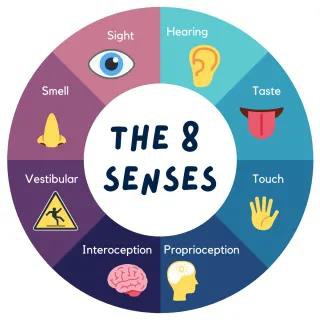
Sensory systems include:
- Vision
- Auditory
- Tactile
- Gustatory
- Olfactory
- Proprioception
- Vestibular
- Interoception
Diet related issues in autism
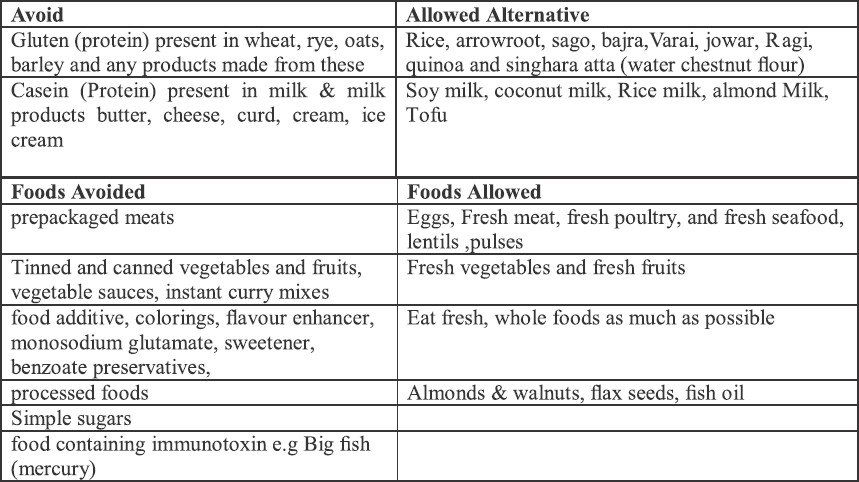
- Common gastrointestinal symptoms: chronic diarrhoea/constipation, bloating, gastrointestinal inflammation & pain.
- When gastrointestinal symptoms occur, negative behavioural changes and cognitive problems can be exacerbated.
- Food intolerances, imbalanced biochemistry and digestive problems are often at the core of symptoms.
- Diet plays a role by adding required nutrients and removing offending substances like gluten & casein.
- Gluten Free Casein Free (GFCF) diet is commonly prescribed and reported beneficial by some families.
- One hypothesis is incomplete digestion of gluten and casein leading to peptides (gluteomorphin & caseomorphin) that may affect behaviour and development.
What Is a Sensory Diet?
A sensory diet is a group of activities specifically scheduled into a child’s day to assist with attention, arousal and adaptive responses. Activities are chosen for the child’s needs based on sensory integration theory using proprioceptive, tactile, visual, auditory, vestibular, gustatory and oral motor input.
Examples of sensory diet "menu" items
- Playing musical instruments, sit-n-spin toys, chewing gum, noise-cancelling headphones, shaving cream or kinetic sand play.
- Sitting on an exercise ball, sensory bins, exercise, dry brushing, manipulating putty, weighted devices.
- Crunchy or chewy foods, fidget toys, texture-rich items, swinging.
When and where to use sensory diet items
Sensory diets are used with therapists (e.g., Occupational Therapists), at home by caregivers, and at school as part of an IEP. Activities are sprinkled throughout the day and are usually scheduled to provide consistency in time, place and method tailored to each child.
How to choose sensory "meals"
- Seek professional advice (Occupational Therapy) to create a tailored plan.
- Observe when sensory input is needed and document responses.
- Combine caregiver input with therapist guidance to optimize the sensory diet.
Implementation tips
Implementing a sensory diet can be overwhelming. Use a plan, document observations, designate specific times/places for activities, and manage intensity/frequency. For transitions use schedules, countdowns, rewards, and involve the child in planning.
References
- “Looking after Children with Autism- A Hand book” by Dr. Alok Sharma, Dr. Nandini Gokulchandran.
- Autism Parenting Magazine.